Flask + GraphQL

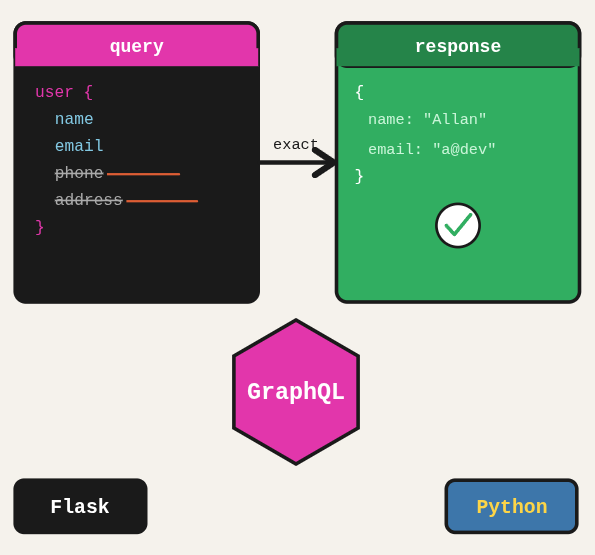
REST APIs have a fixed shape problem: clients either get too much data or have to make multiple requests to get what they need. GraphQL flips that, the client declares exactly what it wants and the server delivers exactly that. No extra fields, no N+1 requests to stitch together related data. TL;DR: Set up a … Read more
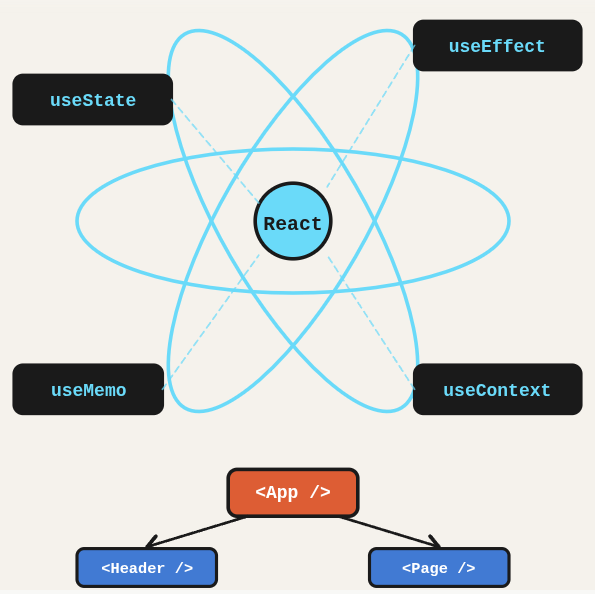
ReactJS summary

React is a component model, not a full framework. Understanding hooks, context, the reconciliation algorithm, and state management patterns determines whether you build maintainable apps or component soup. This post is a practical reference you can come back to whenever you are starting a new project or need a quick refresher. TL;DR: A React reference … Read more

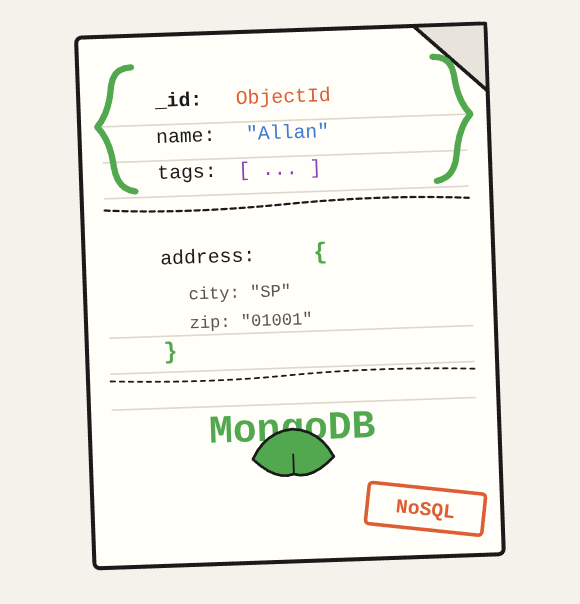
MongoDB summary

MongoDB’s document model removes most of the schema ceremony that comes with relational databases, but it introduces its own rules around data modeling, indexing, and querying. If you come from SQL and just wing it, you will end up with queries that are slow for reasons that aren’t obvious at all. TL;DR: A practical MongoDB … Read more

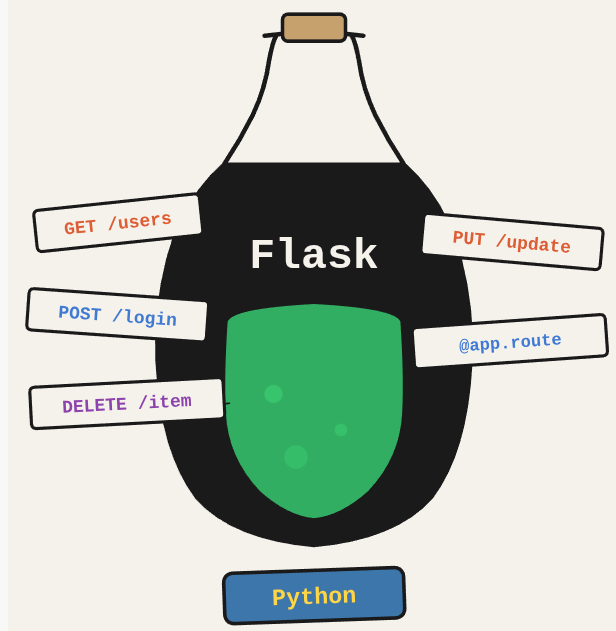
Flask Summary

Flask’s minimalism is a feature, not a limitation, but it means you’re responsible for every architectural decision, from database connections to route organization. This reference covers the core patterns that come up when building Flask APIs in production, from environment setup to MongoDB integration. TL;DR: Set up a complete Flask API with routes, database connection … Read more

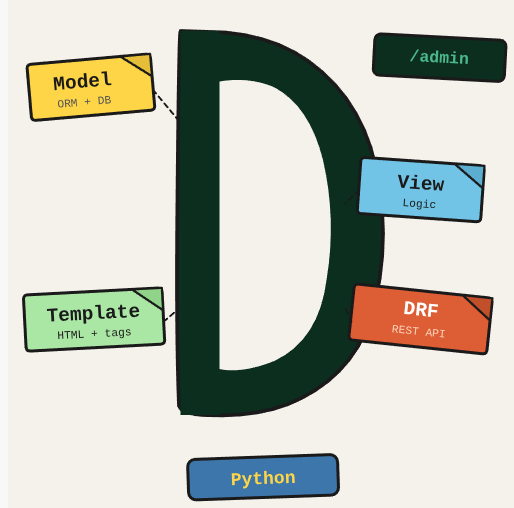
Django Summary

Django has many moving parts. This post is a reference for the patterns you use repeatedly: models, views, templates, the ORM, migrations, the admin panel, and DRF. TL;DR: A Django reference covering models, ORM queries, views, URLs, templates, migrations, admin, and Django REST Framework basics.Stack: Python, Django, Django REST FrameworkLevel: BeginnerReading time: ~15 min Install … Read more

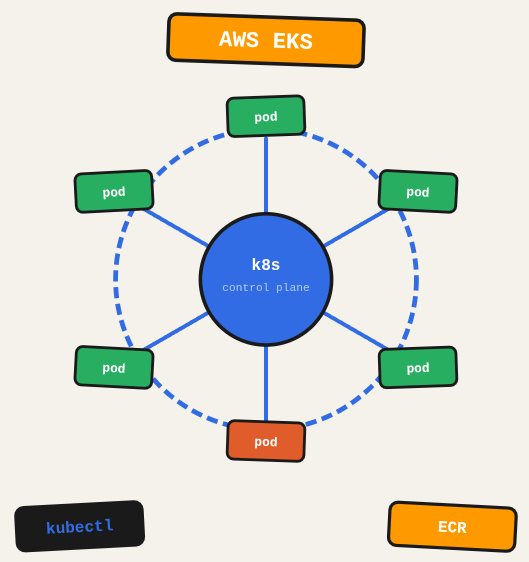
AWS EKS – Elastic Kubernetes Service

Kubernetes is the gold standard for container orchestration, but running it yourself is operational overhead you don’t need. EKS gives you a managed control plane so you can focus on your workloads instead of the cluster itself. TL;DR: Set up an AWS EKS cluster, deploy workloads, configure networking and storage, and manage the cluster with … Read more

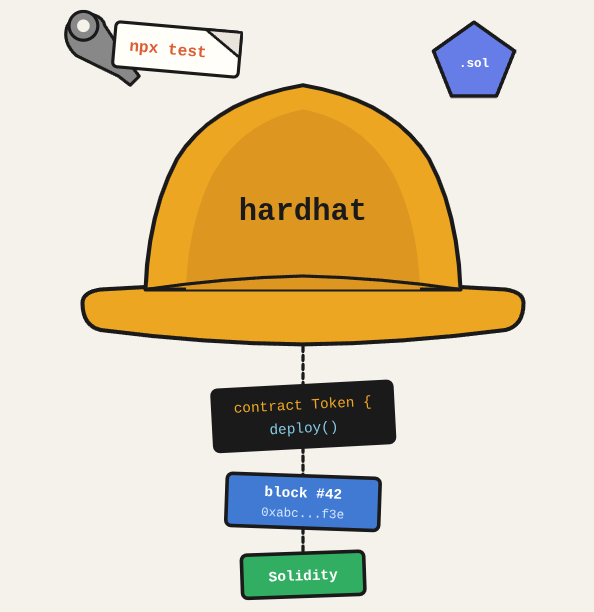
Building Smart Contract with Hardhat

Before deploying a smart contract to any network, you write it in Solidity, compile it with Hardhat, and test it locally. Hardhat gives you a local blockchain, a testing framework, and deployment scripts all in one package. TL;DR: Write, compile, and test a Solidity smart contract using Hardhat with a local blockchain network.Stack: Hardhat, Solidity, … Read more

Deploying smartcontract in real BNB Chain

Deploying to a testnet is cheap (and free). Deploying to BNB mainnet costs real BNB. Before going live, make sure your Hardhat config is pointing to the right network and your wallet is funded. TL;DR: Deploy a smart contract to BNB Chain mainnet using Hardhat, then verify it on BscScan.Stack: Hardhat, Solidity, BNB Chain, BscScan, … Read more

Django unit tests with pytest

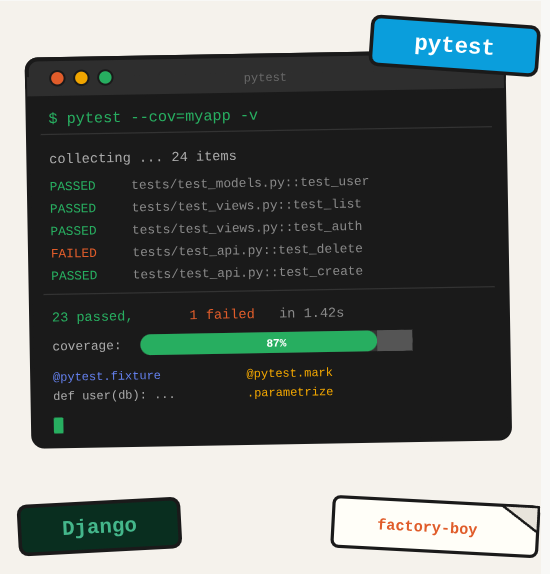
Django’s built-in test runner works, but pytest makes testing more powerful. Better error messages, parametrize for table-driven tests, and a larger plugin ecosystem for coverage, factories, and database handling. TL;DR: Set up pytest-django to run your Django test suite, add fixtures, use factories for test data, and get coverage reports.Stack: Python, Django, pytest, pytest-django, factory-boyLevel: … Read more

Web3 App: Consuming Smart Contract with MetaMask

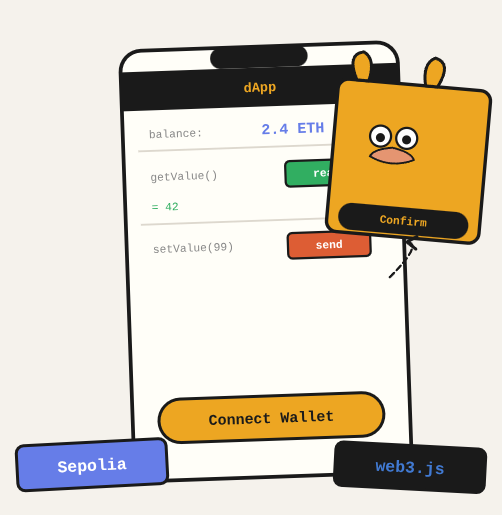
Your smart contract is deployed on Sepolia. The next step is a web UI that lets users interact with it through MetaMask: connecting wallets, reading contract state, and submitting transactions. TL;DR: Build a Web3 frontend that connects to MetaMask, reads from a deployed smart contract, and submits transactions on Sepolia.Stack: Web3.js, MetaMask, Solidity, Sepolia, ReactLevel: … Read more