Update volume on EC2

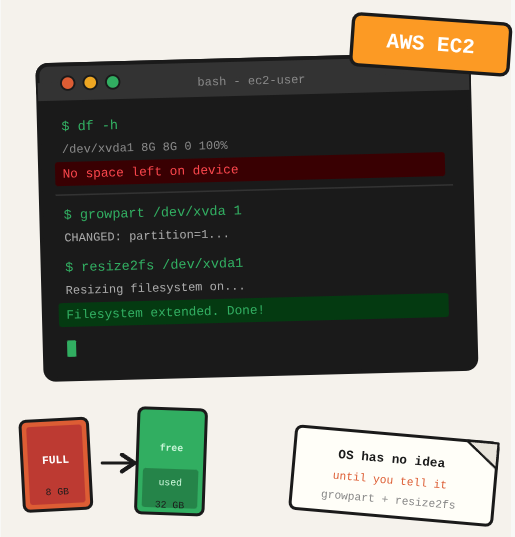
Your EC2 disk is full. The app is throwing errors, the logs stopped rotating, and the CI/CD pipeline is silently failing. You already resized the volume in the AWS Console, but the OS has no idea. This post walks through the exact steps to make the OS actually use that new space. TL;DR: Resize an … Read more

Building AI-React-Agent

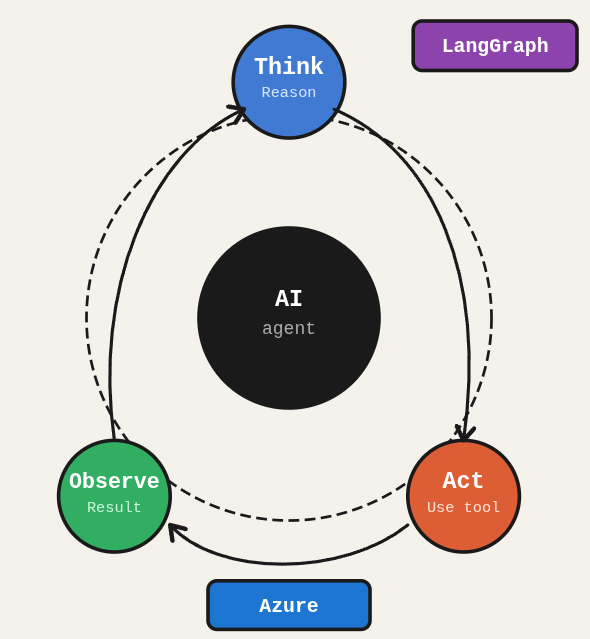
You want an AI agent that actually reasons, queries databases, and uses tools intelligently, not a chatbot that rephrases your question back with a different tone. The ReAct pattern with LangGraph and Azure OpenAI is how you build that. TL;DR: Build a production-ready AI agent using LangGraph’s ReAct pattern with Elasticsearch (vector search), Neo4j (graph … Read more

Neo4j + cypher

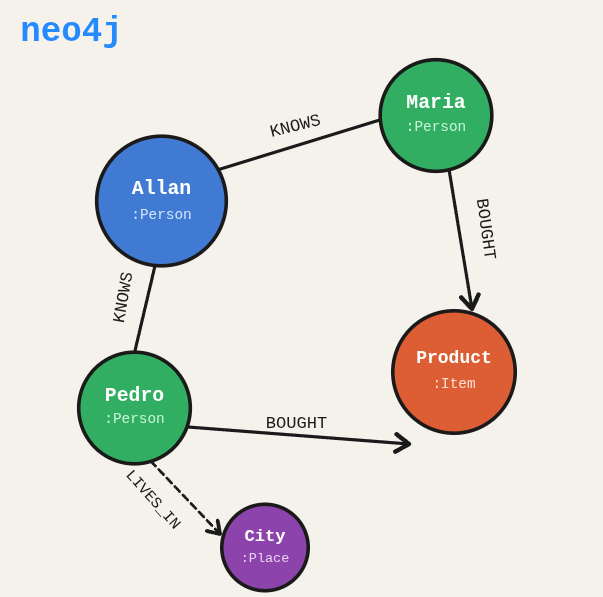
Your data has relationships that SQL tables cannot represent cleanly. A social network query like “who are the friends-of-friends of Allan who bought a product that users in the same city also bought” turns into a JOIN nightmare in relational databases. Neo4j was built for exactly this kind of query. TL;DR: Install and configure Neo4j … Read more

System Design

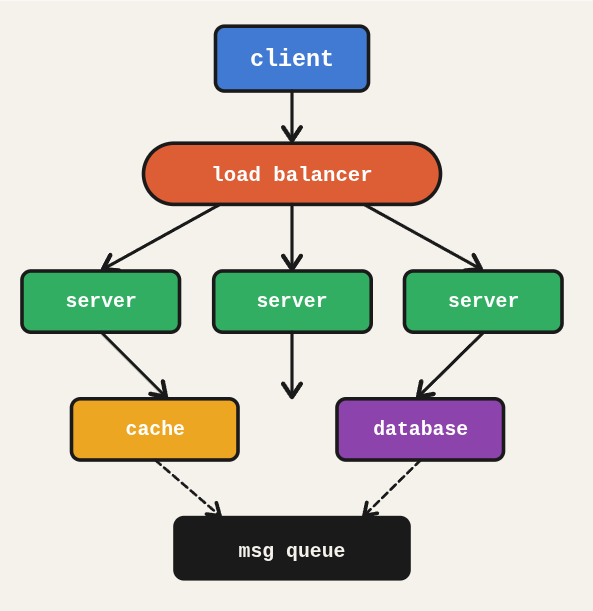
Building a system that handles millions of users requires different decisions than building one that handles thousands. System design is about making tradeoffs explicit: scalability, availability, consistency, latency, and cost. TL;DR: A system design reference covering scalability patterns, load balancing, caching, databases, message queues, and distributed system tradeoffs.Stack: System Design, distributed systems, architectureLevel: AdvancedReading time: … Read more

HTTPS, HTTP, SSL and TLS

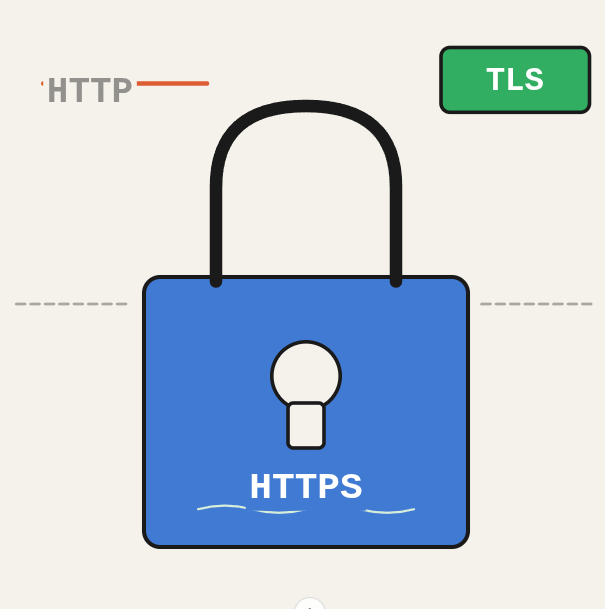
Every API call your app makes goes through a protocol stack that determines whether that data can be intercepted. Most developers know what HTTPS is, but fewer understand the actual relationship between HTTP, HTTPS, SSL, and TLS, and why the distinction matters when you’re configuring servers, handling certificates, or debugging connection errors. TL;DR: Understand the … Read more

NodeJS Summary

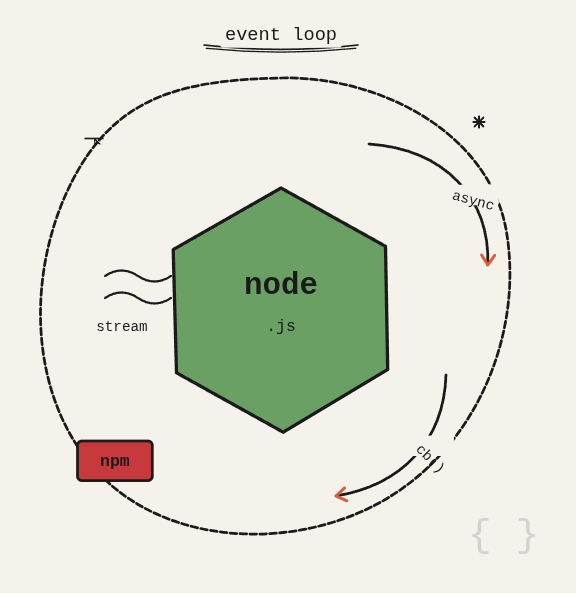
Node.js has a rich ecosystem but its own patterns that differ significantly from synchronous languages. The event loop, streams, modules, async patterns, and the npm ecosystem all have their own rules. This post covers the ones that show up repeatedly in real backend development. TL;DR: A Node.js reference covering the event loop, async patterns, streams, … Read more

Python + gRPC + RPC + Streaming

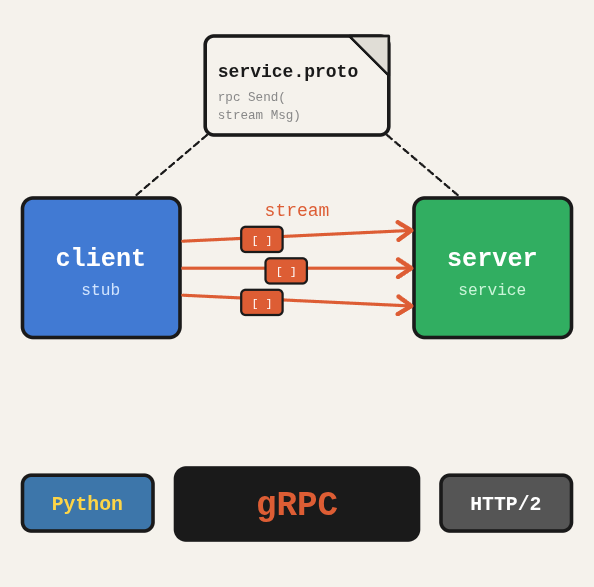
REST works fine until it doesn’t. When you have service-to-service communication that needs low latency, binary efficiency, or streaming, you hit REST’s ceiling quickly. gRPC solves this with Protocol Buffers for compact serialization and HTTP/2 for multiplexed transport. TL;DR: Build a Python gRPC service with unary RPC and streaming, from proto file definition to client/server … Read more

Flask + GraphQL

REST APIs have a fixed shape problem: clients either get too much data or have to make multiple requests to get what they need. GraphQL flips that, the client declares exactly what it wants and the server delivers exactly that. No extra fields, no N+1 requests to stitch together related data. TL;DR: Set up a … Read more

ReactJS summary

React is a component model, not a full framework. Understanding hooks, context, the reconciliation algorithm, and state management patterns determines whether you build maintainable apps or component soup. This post is a practical reference you can come back to whenever you are starting a new project or need a quick refresher. TL;DR: A React reference … Read more

MongoDB summary

MongoDB’s document model removes most of the schema ceremony that comes with relational databases, but it introduces its own rules around data modeling, indexing, and querying. If you come from SQL and just wing it, you will end up with queries that are slow for reasons that aren’t obvious at all. TL;DR: A practical MongoDB … Read more